



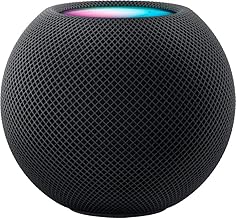


Apple Smart Home Hub Rumors: Hardware Ready, Siri Is Not
This fall, Apple's home ecosystem could finally catch up to the AI era its iPhones, iPads, and Macs already occupy, or it could wait another year. The difference comes down to one piece of software. Bloomberg's Mark Gurman reported two months ago that the next Apple TV 4K and HomePod mini have been finished and running on employee devices at Apple's Cupertino campus for months. The Apple smart home hub rumors stretch back even further: the Home Hub, internally coded J490, missed a spring 2025 target and then a spring 2026 target before settling on a September window, each time held back by the same unfinished dependency, a rebuilt Siri, MacRumors reported in March.
The rebuilt Siri is expected to arrive with iOS 27 this fall, at which point it functions as a release valve for a product lineup Apple has been holding in place. That single dependency isn't incidental to the home lineup. It's what determines whether any of these devices ship at all.
What looks firm, and what still looks fuzzy
Not everything in this lineup carries the same level of confirmation, and that distinction matters for anyone making buying decisions.
The Apple TV 4K and HomePod mini are the most firmly sourced. Gurman reported the hardware has been done for months, with both devices already in active employee use. The Home Hub has a named September target and a well-documented delay history. Those three products sit on solid ground.
The full-size HomePod refresh and an Apple-designed security camera are also expected this year, MacRumors reported this month, but sit on shakier sourcing, more aggregated rumor than named-source reporting. What follows treats those categories accordingly.
Why existing Apple home hardware is already at its limit
The chip gap is the practical problem. The HomePod mini runs on the S5, the same silicon Apple used in the Apple Watch Series 5. The second-generation HomePod uses the S7 from Apple Watch Series 7. The current Apple TV 4K carries the A15 Bionic from the iPhone 13 line. The new Siri carries the same minimum requirements as Apple Intelligence: an A17 Pro or M1 chip, with more advanced model features requiring an A19 Pro or M3, Macworld reported last month. Current home hardware doesn't come close to that threshold.
WWDC 2026 in June made that gap hard to ignore. The conference was almost entirely devoted to AI: expanded Apple Intelligence across iPhone, iPad, and Mac, plus a significantly rebuilt Siri. HomePod and Apple TV went unmentioned, no new features, not even a brief acknowledgment, Macworld reported. Apple appears to be waiting for new hardware capable of delivering the same Siri AI experience that the latest iPhones and iPads already offer before it touches the home lineup at all.
For anyone running a 2020 HomePod mini or a 2022 Apple TV, that has real buying-decision consequences. Apple Intelligence Home app features require an Apple TV or HomePod to serve as a local hub, and current devices sit below the chip floor the new Siri requires, MacRumors noted this month. The hardware you own today cannot be upgraded into that role.
Apple home hub launch timing now hinges on Siri
The Home Hub is the only genuinely new product category in this lineup, and the one with the most at stake.
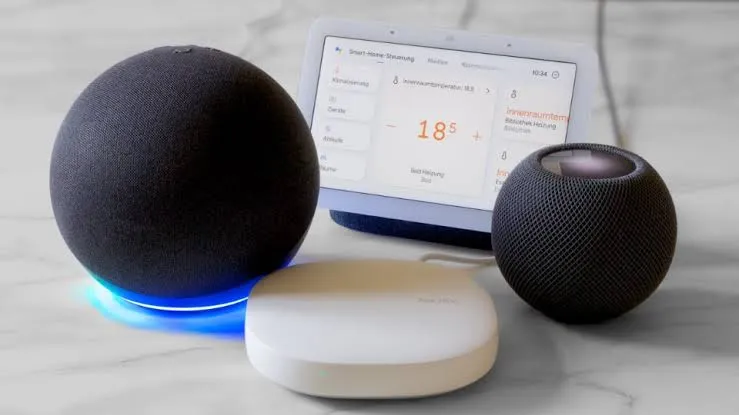
Apple designed it as a fixed-placement AI device, comparable to the Amazon Echo Show but emphatically not a portable iPad, with a 7-inch square display that carries iPad-like design language, a built-in camera, and a software environment running a variant of tvOS 27 with Watch-style round app icons, MacRumors reported in March. No third-party App Store; built-in Apple apps including Calendar, Reminders, and FaceTime.
The camera goes beyond video calls. It's reported to support facial recognition and presence detection, meaning the hub could recognize who is in the room and adapt its behavior accordingly, MacRumors reported this month. Paired with iOS 27's HomeKit camera upgrades, 4K recording, AI-generated event summaries, and cross-camera stitching that follows a person across rooms, the device is positioned as the central context layer for everything happening in the home. Mounting options include both wall-mount and speaker-base configurations, making kitchen or living room placement practical.
Pricing is rumored at approximately $350, though that figure comes from a single source and should be treated as rough market positioning rather than a confirmed number. The bigger open question is whether the Siri and presence-detection experience is actually ready on day one. The hub has missed two launch targets because of that software. Its practical value to buyers depends almost entirely on what ships with it.
What Apple HomePod and Apple TV rumors tell us about the rest of the lineup
Apple TV 4K. The next model is expected to keep its current form factor, no new design on the shelf. The meaningful change is the chip: an A17 Pro replacing the A15, which moves Apple TV from Apple Intelligence-ineligible to Apple Intelligence-capable, MacRumors reported this month. The A17 Pro is the oldest chip Apple counts as qualifying hardware for Apple Intelligence; the current A15 doesn't reach that threshold.
Connectivity is expected to advance as well, with Apple's N1 networking chip potentially adding Wi-Fi 7, Bluetooth 6, and Thread support, a meaningful upgrade for a device that acts as the home's network hub for HomeKit accessories, MacRumors noted two months ago. Gurman also noted the Siri Remote "may be refreshed in some form," though no design specifics were available and no outward changes are guaranteed. His overall read: don't expect much beyond what the chip enables.
HomePod and HomePod mini. Both speakers are expected to keep their existing designs. The HomePod mini is expected to gain an S9-class chip or newer, which is where Apple Watch picked up initial AI support, though whether that chip runs new Siri features locally or routes them through an iPhone relay, the same approach used for Apple Watch, remains unclear, MacRumors reported this month. That analogy is the clearest frame for what HomePod mini owners can expect: partial AI support, conditional on proximity to an iPhone rather than onboard processing power.
The HomePod mini's S5 chip dates to 2019. The last hardware update shipped in October 2020. The case for a refresh doesn't require elaborate reasoning. But buyers should understand that Siri AI access, even on updated hardware, may carry an asterisk about what runs locally versus what relies on another device nearby, Macworld reported last month.
A platform foundation, not a finished vision
The timeline is software-gated and should be read that way. If iOS 27 ships on schedule in September, it opens the window for Apple to announce the full home lineup, either alongside the iPhone at a September event or at a home-focused October event, MacRumors noted this month. If Siri misses its target again, the hardware waits again.
The longer Apple home roadmap runs to 2028. A robotic arm accessory for the Home Hub, a more ambitious concept involving physical motion and room navigation, is not expected until 2027 or 2028, AppleInsider reported last month, citing Gurman. This fall is where Apple attempts to rebuild the foundation, not where it finishes the house.
The meaningful question this launch answers isn't whether Apple can ship a smart display. It's whether Siri is finally capable enough to anchor a home experience. The next useful signal will be whether Apple starts previewing home-specific Siri features in the weeks before its fall iPhone event. That's when the gap between rumor and reality starts to close.


Comments
Be the first, drop a comment!